
Sundry Topic
Strait of Hormuz still seeing significantly lower traffic despite Iran war ceasefire
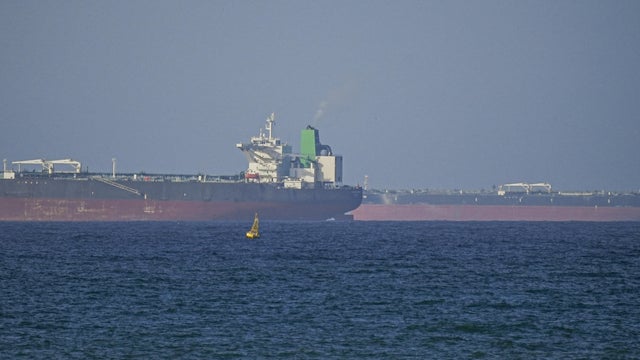
Only about a dozen ships passed through the Strait of Hormuz in the first two days of the ceasefire agreement between the United States and Iran, far below the normal traffic level before the war, marine transit data shows.
As part of the agreement, which President Trump announced late Tuesday, Iran would allow vessels to cross through the channel, which is a crucial waterway for shipping about 20% of the world's oil supply.
But early Wednesday, an Iranian news agency linked to the country's military reported that traffic through the strait would be suspended in response to Israel's attacks on Hezbollah in Lebanon. White House press secretary Karoline Leavitt disputed Iran's claim that the Lebanon conflict was part of the ceasefire agreement. Vice President JD Vance told reporters Wednesday that there was a "legitimate misunderstanding" about the terms of the ceasefire.
"We have seen an uptick of traffic in the strait today," Leavitt said Wednesday. "I will reiterate the president's expectation and demand that the Strait of Hormuz is reopened immediately, quickly and safely."
On Wednesday and Thursday, at least 12 ships passed through the waterway — just a fraction of what would have been seen before the war, data from ship tracking company, Marine Traffic, shows.
Number of ships crossing the Strait of Hormuz each day
Ships were counted on the date they exited the Middle East Gulf. If no exit occurred between Feb. 28 and April 8, they were counted on the day they entered.
On Feb. 28, the day the Iran conflict began, 74 ships crossed the Strait.
In March, the average number of crossings totaled about 6 ships per day.
So far in April, the average has risen to about 10 ships crossing per day.
From Feb. 1 to Feb. 27, the U.N.'s Trade and Development organization said the average number of vessels passing through the strait was 129 before beginning to slow as the war began on Feb. 28.
Only three of the ships that passed through since the ceasefire began were oil or chemical tankers, all passing on Thursday. All three are under U.S. sanctions for previously shipping Iranian oil. The rest were cargo ships.
While data was not available for one of the ship's loads, one of the tankers was carrying roughly 1 million barrels of oil, and the third vessel was not loaded.
On an average day before the war, the total shipments would be many times higher.
Ships crossing the Strait of Hormuz each day by vessel type
Oil, chemical and gas tankers made up 59% of ships passing through the Strait of Hormuz from February 28 to April 9. Cargo ships made up 37%.
Ships were counted on the date they exited the Middle East Gulf. If no exit occurred between Feb. 28 and April 9, they were counted on the day they entered.
"It's about a third of the world's seaborne crude that is passing through there — 15 million barrels per day. And now it's basically slowed to a trickle," Matt Smith, lead oil analyst at the global trade analytics firm Kpler, which owns Marine Traffic, told CBS News Thursday.
The day the conflict broke out on Feb. 28, 74 ships passed through the Strait of Hormuz. That number quickly dropped as Iran throttled traffic, with an average of six ships passing through each day in March.
Traffic has appeared to increase a bit this month, with an average of 10 ships passing through each day as of Thursday evening.
About 58% of the ships that passed through since Feb. 28 have been oil, chemical or gas tankers.
Some ships temporarily disable or spoof their AIS transponders, which transmit the ship's location, complicating precise, real-time tracking.
Source

Posted by Temmy
Fri, April 10, 2026 2:34pm
| Top |
|
For enquiries, notifications and ad placement send mail to worldnewsservice2025@outlook.com Copyright 2019 - 2026 All Rights Reserved. Privacy Policy || Terms & Conditions |